Sunday, January 31, 2016

Citations


Citations


biomemarine.weebly.com

w3.marietta.edu

leisurepro.com

seaphotos.com

marinbiome.weebly.com


The Phosphorus Cycle

The Phosphorus Cycle in the Saltwater Biome

Verania Del Risco
Entry #10

What i learned today was that the Phosphorus Cycle plays an important role in the Saltwater Biome! Waves crash onto rocks and phosphorus is released and then carried into the ocean. The animals and plants all need phosphorus because it makes up their genetic information. Some of the phosphorus is stored for long periods of time. Then the stored phosphorus is returned to the soil because of the waves, weathering, etc.

The Water Cycle

The Water Cycle in the Saltwater Biome

Verania Del Risco
Entry #9

The Water Cycle is a major part of the Saltwater Biome. It starts out with evaporation. The water turns from a liquid into a gas. Then, the water condenses back into a liquid in the clouds, and then falls back down to the ocean. Then the whole cycle starts back up again.

Major Human Impact

Major Human Impact of the Saltwater Biome

Verania Del Risco
Entry #8

A Major Human Impact that i was told by the researchers was pollution in the oceans. Some of the pollution consists of oil pollution. Oil is very important to the human society. It is very dependent and a lot of things run off of it. Oil drilling taking place in the ocean is very risky because if there is a mistake made or a problem, many animals and plants are harmed by it. There already have been many incidents involving oil spills in the ocean, and it it takes a very long time to recover from it.

Energy Pyramid

Energy Pyramid of the Saltwater Biome

Verania Del Risco
Entry #7

http://saltwaterbiome.weebly.com/pyramids.html

The Energy Pyramid shows the trophic levels of the organisms and how much energy each organism is getting. Each time energy is transferred from one trophic level to another 10% of the energy gets taken away so the top carnivores do not get as much energy a primary consumer will get.

Food Web

Food Web of a Saltwater Biome

Verania Del Risco 
Entry #6


http://kids.britannica.com/comptons/art-90131/Organisms-in-a-community-are-linked-through-what-they-eat

The food web starts out with energy from the sun. Then the producers, autotrophs, take that energy and use it to make food. The arrows show how the energy is transferred between organisms. The Tertiary consumers, in this case the shark, are at the top of the food web but they are not the most important part of the web. The producers, dinoflagellates and diatoms, are the most important because without them nothing would exist. 

Animals and Plant Adaptations

Animals and Plant Adaptations in the Saltwater Biome

Verania Del Risco 
Entry #5

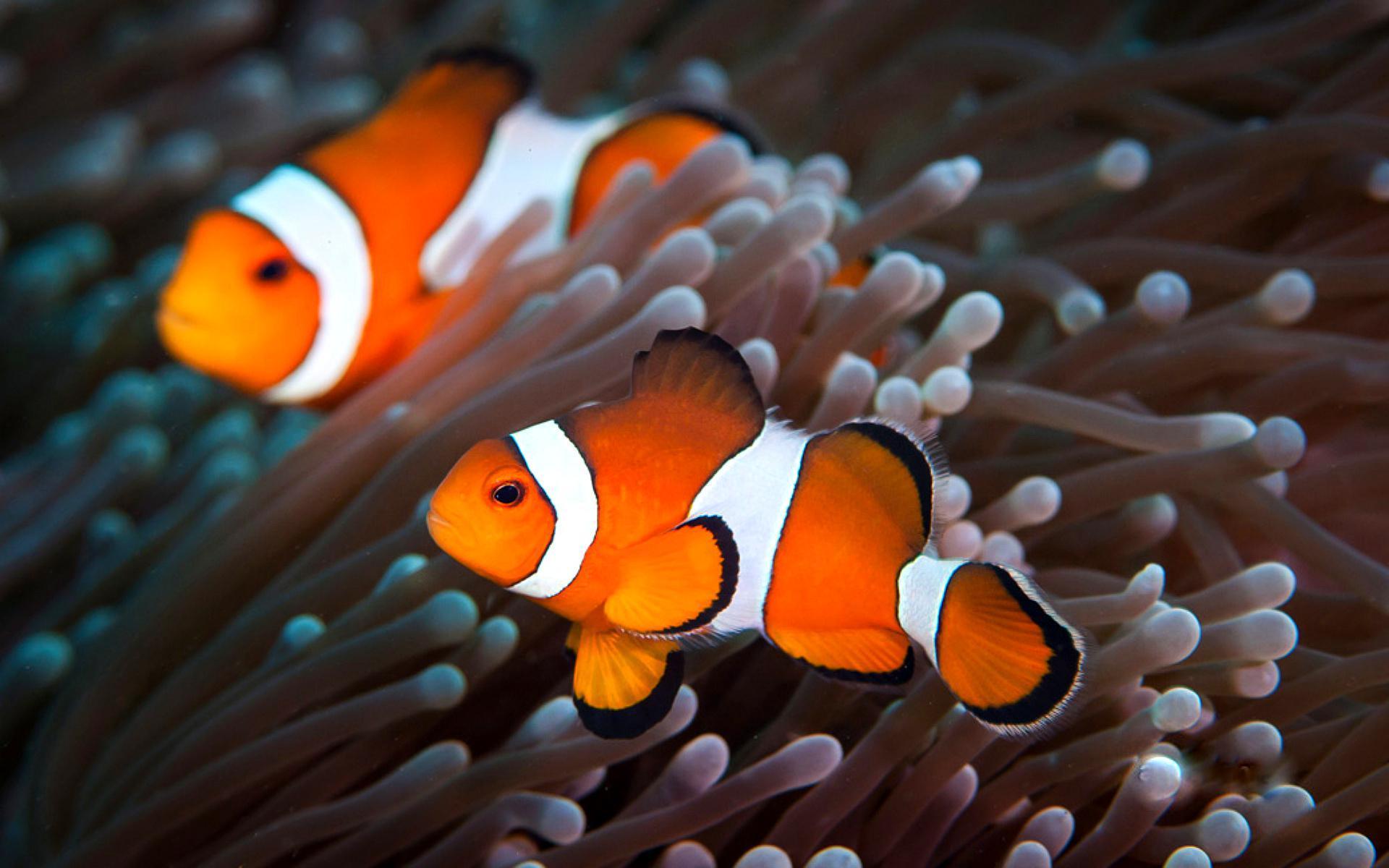
While going back to dive into the deep blue sea we encountered more animals and plans and learned about their adaptations. Whales have blubber to help them keep warm wherever they are in the ocean. Clownfish live in anemones, they have poisonous stingers, so to adapt to it, the fish produce a mucus to protect them from the poison. Anglerfish live deep in the ocean where it is pitch black. Over time the have adapted a light that hangs over their head to help them see. 

https://www.haikudeck.com/whale-story-inspiration-presentation-IPOT99Fu9N
                                                                               
                                                                                http://wallpapercave.com/clown-fish-wallpaper

Limiting Factors

Limiting Factors in the Saltwater Biome

Verania Del Risco
Entry #4

  The Density Independent Factors of the saltwater biome are temperature and access to sunlight.The Density Dependent Factors were dissolved oxygen concentrations and availability of nutrients, for example nitrogen and phosphorus


Symbiotic Relationships

Symbiotic Relationships in the Saltwater Biome


Verania Del Risco
Entry #3

The next day i was taught about some symbiotic relationships. We went scuba diving to get examples. First we saw a clownfish and a sea anemone. A clownfish and a sea anemone are an example of mutualism. The sea anemone has poisonous tendrils, but since the clownfish is immune to them, they can live inside it. The sea anemone consumes the fish's waste and other food that it has dropped. We also saw an Eagle Ray and a Jack. They are an example of Commensalism. The Eagle Ray eats shellfish, which are found on the ocean floo. The Jacks follow Eagle Rays waiting for a small fish to get trapped in the sand when the Rays are kicking up the sand to get the shellfish. The Jack gets food but the Eagle Ray is unaffected by the relationship. We noticed an isopod attached to a fish. The isopod attaches itself to the fish and feeds on their body fluids. The fish is harmed by the isopod, so this is an example of parasitism. 


http://ohmygodfacts.com/6-interesting-clown-fish-facts/
                                                                               
                                                                               http://www.underseahunter.com/divesites-cocos-island/diving-shark-fin-rock-10.html#.Vq61C9IrK7Q

Competition in the Saltwater BIome

Competition in the Saltwater Biome


Verania Del Risco
Entry #2


So I've embarked my journey by sailing out into the sea with a group of marine researchers. They were telling me about different kinds of competition between the organisms. For example, sharks compete for food. Most sharks eat the same kind of food so they will have to "compete" with each other to get it. Another example are plants competing for sunlight. The plants placement results in how much sunlight they could get. Barnacles are also an example of competition. Once they attach themselves to anything, they will most likely not move or detach themselves, so others will have to find another space. 


 http://wetpixel.com/full_frame/marcelo-krause-pantanal                                                      
                                                                                 
                                                                             http://a-z-animals.com/animals/barnacle/

Summer and Winter Climate

Summer and Winter Climate of the Saltwater Biome

Verania Del Risco
Entry #1 


Hey guys! I've decided to go explore the Saltwater biome, one of the many biomes of our world!
Before venturing out i needed to do some research first. The Saltwater biome is the LARGEST biome in the world! Its climate varies from -40 F to over 100 F, depending on where you are. Its average temperature is 39 F. The closer you are to the equator the warmer it will be, and the closer you are to the poles the colder it will be!


Example of a Saltwater climatograph  


http://www.jsu.edu/dept/geography/mhill/phylabone/climographs.html